Describe the Use of Anatomical Planes in Medicine
You will be able to describe the bodys regions using the terms from the figure. Oftentimes these terms are used within the context of advanced medical imaging studies such as computed tomography CT and magnetic resonance imaging MRI scans.
Plane Taber S Medical Dictionary
Once this detailed fetal anatomical exam 76811 is done a second one should not be performed unless there are extenuating circumstances with a new diagnosis.
. The standard anatomical position refers to the body orientation used to describe. Some of the described techniques have been validated by radiological assessment pre or intraoperative LLD with postop operative measurements. The terms are used to describe a specific body part.
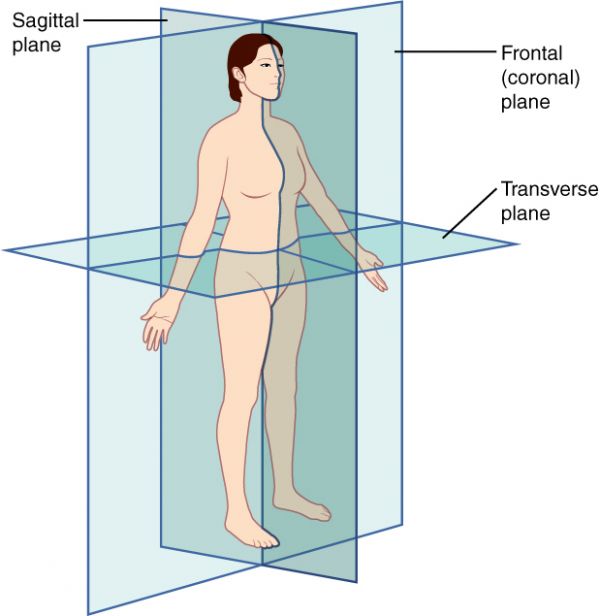
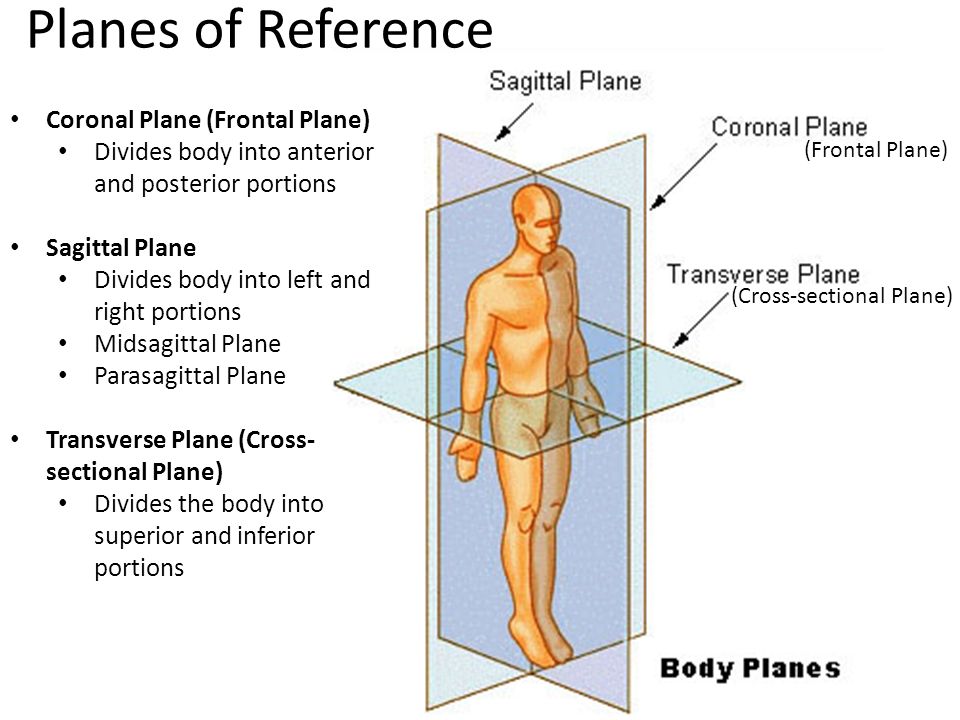
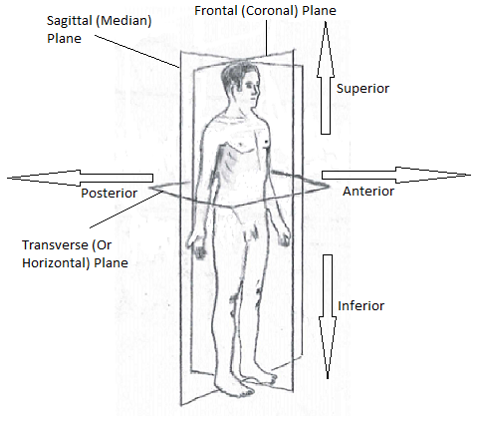
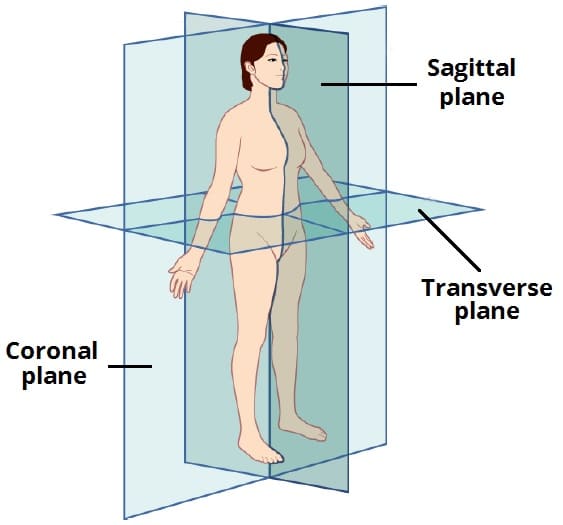
The frontal plane also called the coronal plane which divides the body into front and back. These terms are essential for describing the relative locations of different body structures. A wider step width and a larger foot angle seemed to lead to higher RoM in the sagittal plane in both the hip Additional file 1.
Which of the following options is. Identify three planes most commonly used in the study of anatomy. Demonstrate the anatomical position.
They used a fine guide. You might remember from the previous lecture on body planes and sections that the correct anatomical position is the following. The anatomy of bones Quiz 1 - Including the terms used to describe the various parts of bones.
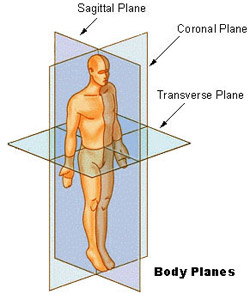
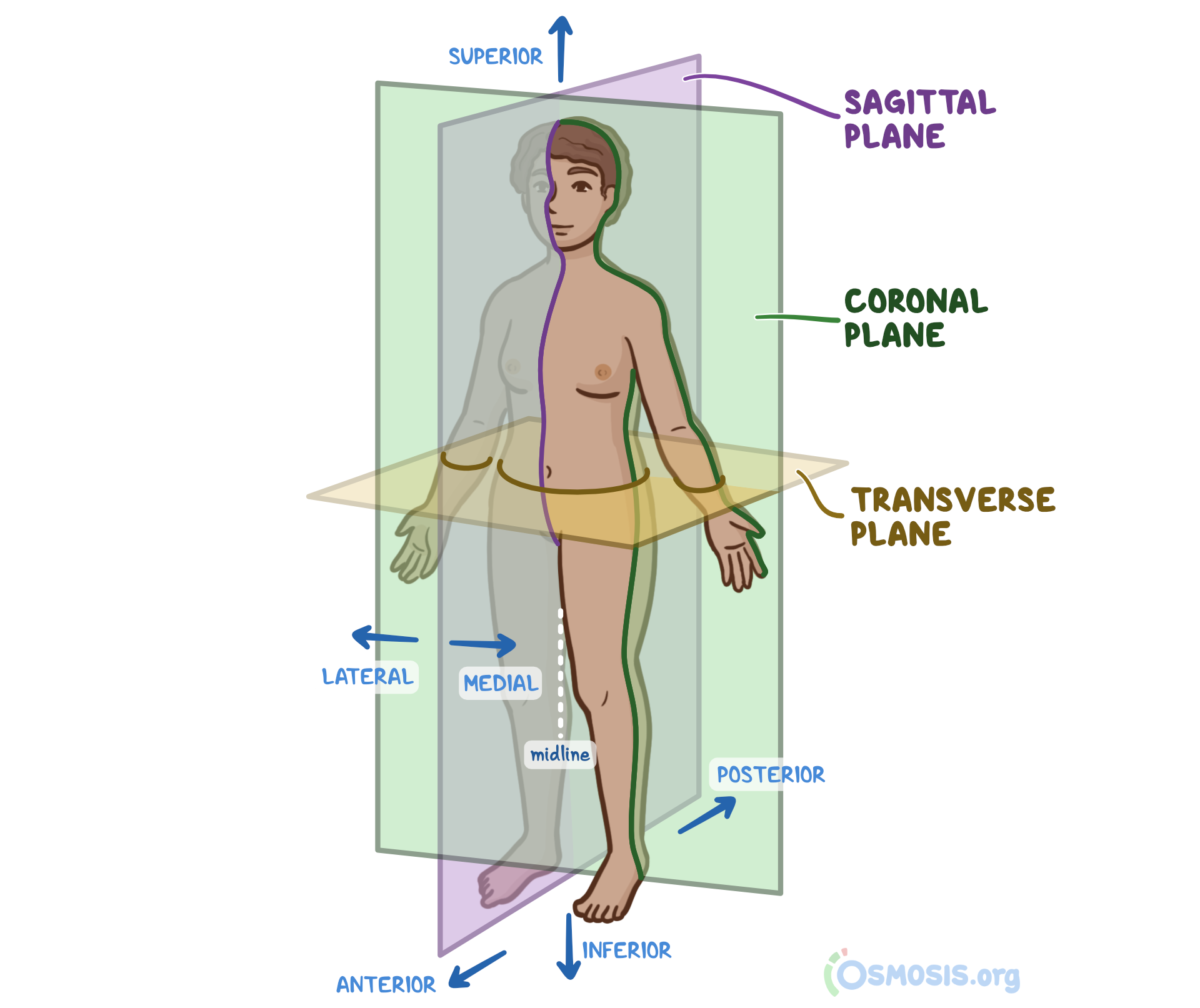
These planes are often used to describe location of structures or to describe directionality of movement. Describe the human body using directional and regional terms. An anatomical plane is a hypothetical plane used to transect the body in order to describe the location of structures or the direction of movements.
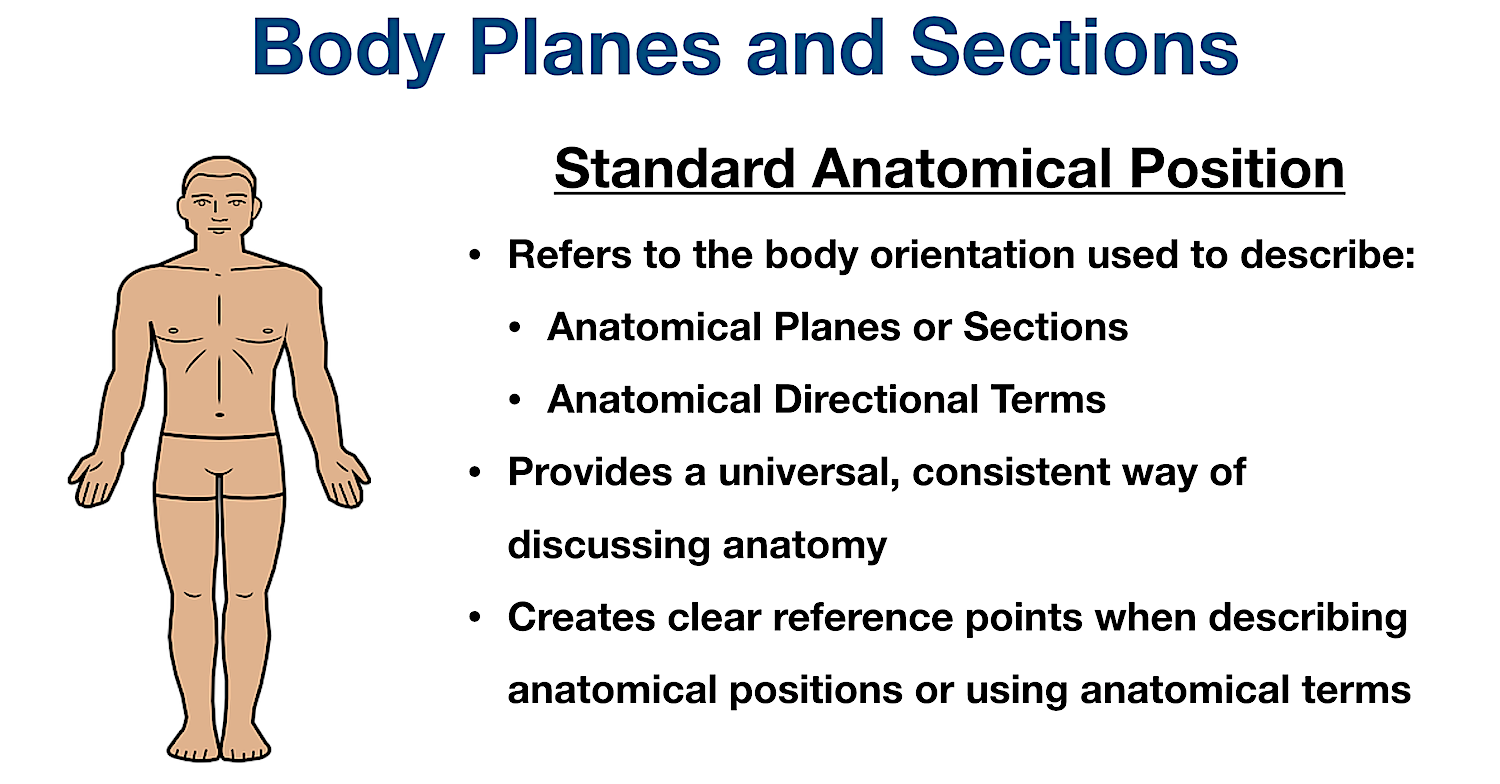
Anatomical Planes or Sections this lecture Anatomical Directional Terms next lecture The anatomical position becomes important clinically when describing locations of pain injuries rashes surgical procedures imaging and much more. There are three anatomical or Cardinal planes in the anatomical position as described below. Anatomical directions and planes are used in reference to bones body parts their portions and their relative positions.
Regarding the sagittal plane the outcomes were comparable to the other planes. Distinguish between the posterior dorsal and the anterior ventral body cavities identifying their subdivisions and representative organs found in each. In order to learn the different anatomical directional terms we need to have a standard body position we can use as a reference.
Joints Quiz 1 - Test your knowledge of the joints of the body. While there is recent evidence regarding the. A plane is a theoretical line that divides the body.
Right Upper Quadrant The right upper quadrant contains the right portion of the liver the gallbladder right kidney a small portion of the stomach the duodenum the head of the pancreas portions of the ascending and transverse colon and. Clinicians use these regions to determine the organs and tissues that may be causing pain or discomfort in that region. Certain directional anatomical terms appear throughout this and any other anatomy textbook Figure 113.
The trunk is to the head. A palms turned posteriorly B thumbs pointed laterally C arms at sides. The anatomical position provides a.
The legs are parallel with feet flat on the floor and facing forward. Together these policy resources call for K-12 public schools to be places of safety and support for all students. The anatomical position is a standard point of reference commonly used in human anatomy and.
Describe serous membrane and explain its function. Body movements Quiz 1 - The anatomical terms used to describe the different types of movement of the body. Contrary to that RoM in the lumbar spine appeared to be constant over the different positions while the largest.
The working group that wrote the Resolution on Gender and Sexual Orientation Diversity in Children and Adolescents in Schools created these additional resources to support and facilitate dissemination and implementation of the policy. In human and animal anatomy three principal planes are used. The anatomical position is when a person is standing upright looking straight ahead arms at the side with palms facing forward the feet slightly apart at the heels and toes pointing forward.
The median plane which divides the body into left and right. All of these terms are relative to a standard anatomical position which for humans is standing upright facing with the feet pointing forward the palms of the hands facing forward and the thumbs pointed laterally see Figures 28 and 29 and Table 22. For instance an anatomist might describe one band of tissue as inferior to.
The commonly used muscle injury grading systems based on three grades of injury representing minor moderate and complete injuries to the muscle are lacking in diagnostic accuracy and provide limited prognostic information to the clinician. This passes through the head spinal cord navel and in many animals the tail. The sagittal planes which are parallel to the median plane.
The anatomical position is characterized by all of the following except _____. Anatomical position or standard anatomical position refers to the positioning of the body when it is standing upright and facing forward with each arm hanging on either side of the body and the palms facing forward. In recent years there have been a number of proposals for alternative grading systems.
This standard body position is called the standard anatomical position. These planes are imaginary lines vertical or horizontal drawn through an upright body. Briefly describe anatomical position.
It is appropriate to use CPT 76811 when a patient is seen by another maternal-fetal medicine specialist practice for example for a second opinion on a fetal anomaly or if the patient is referred to a tertiary. Figure S1 and the knee Additional file 2. The anatomical planes - an image of the anatomical planes with.
Medical professionals often refer to sections of the body in terms of anatomical planes flat surfaces. Mcgee and Scott were the first to describe a simple intraoperative technique to correct LLD in THA. Fill in the blank with the correct anatomical terminology.
All of them use a stable pelvic reference point and a variable femoral reference. Anatomical terms describe structures with relation to four main anatomical planes. The sagittal plane or lateral plane longitudinal anteroposterior is a plane parallel to the sagittal sutureIt divides the body into left and right.
Anatomical Reference Planes.

Anatomical Planes In Bspo A The Three Anatomical Planes Used To Download Scientific Diagram
Scma Specialty Certified Medical Assistant

1 4d Body Planes And Sections Medicine Libretexts

Anatomical Position3 Gerak
Importance Of Anatomical Body Position Planes Terms Of Movement Science Online

Anatomical Planes Of The Body
Cornell Mri Research Lab Summer Immersion

Pin On Anatomy And Physiology

Human Anatomy These Bones Of Mine Page 2 Medical Anatomy Medical Studies Medical School Studying
Seer Training Anatomical Terminology

Human Movements Are Described In Terms Of Three Anatomical Planes That Run Through The Human Body Each Anatomical Plane Anatomical Motion Physical Activities
Body Planes And Sections Anatomical Position Directional Term Definitions Example Diagram Ezmed

Anatomical Planes Coronal Sagittal Axial Spine Anatomy Basic Medical Anatomy Basic Anatomy And Physiology Human Anatomy And Physiology
Anatomical Planes Coronal Sagittal Teachmeanatomy

Sagittal Coronal And Transverse 3 Anatomical Planes Of Human Motion Sagittal Plane Body Human
Anatomical Position What Is It Significance Regions Planes And More Osmosis

Physical Clinical Assessment Medical Terminology And Abbreviations Anatomical Planes Directions Diagram Quizlet

Standard Anatomical Terms And Planes Medictests

Anatomical Plane Wikiwand


Comments
Post a Comment